









Who Will Benefit
Credential programs add the most value if you are:

Considering a graduate degree or career in public policy or analysis.
Seeking a robust foundation in policy skills and topics.

Building a global network with the UChicago community.

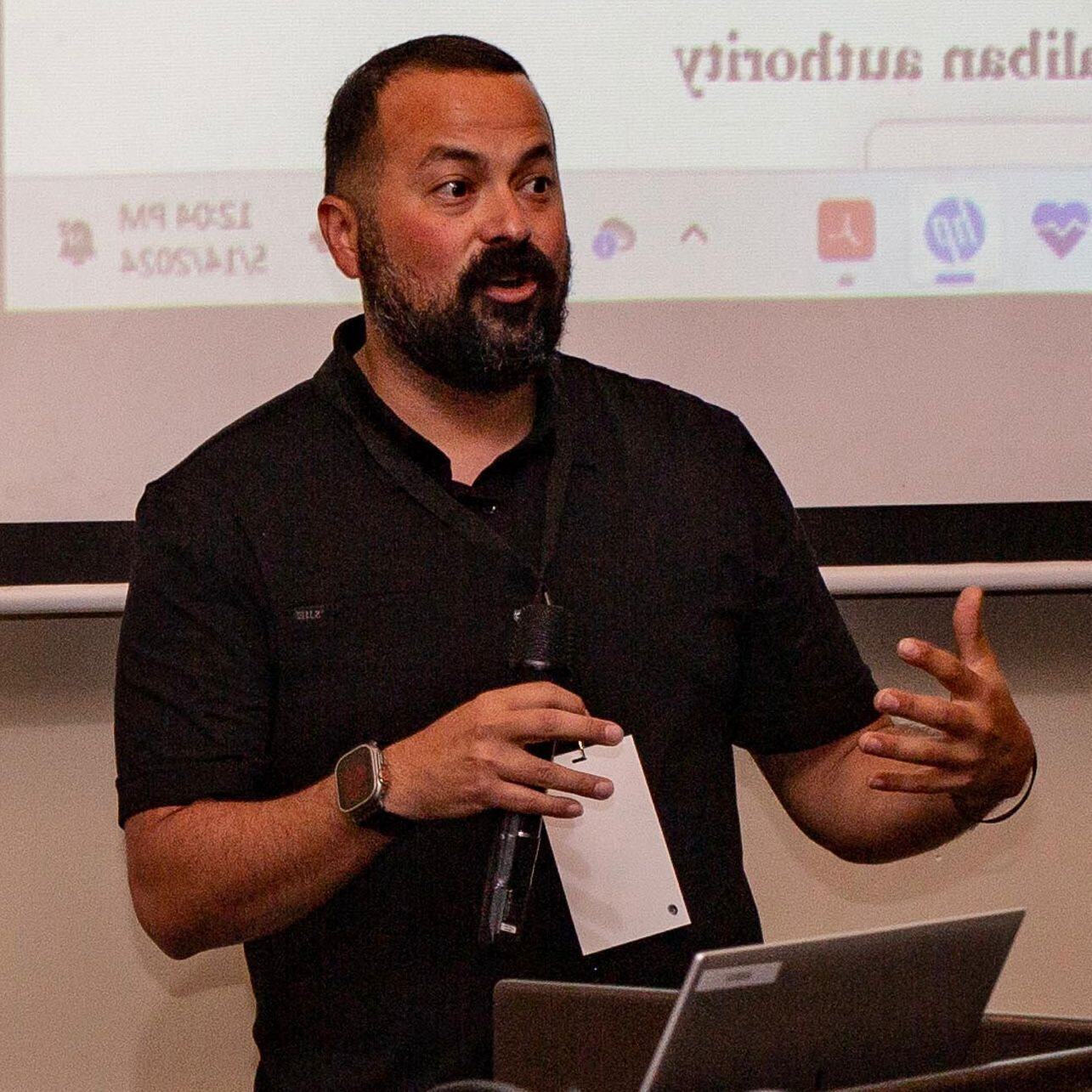
"I came into my job with more qualitative skills, but I noticed the research in my role used mixed methods to shape stories with data. When I came across DPSS, I realized I could strengthen my quantitative side to approach research projects from both perspectives. The focus on public policy made the program stand out. It’s one thing to learn R and run regressions, but it’s another to add a layer of context of when it’s important and when you’d use it, and I wanted that awareness.”
LANEY TAYLOR, DPSS '24
Senior Research Assistant, Child Trends

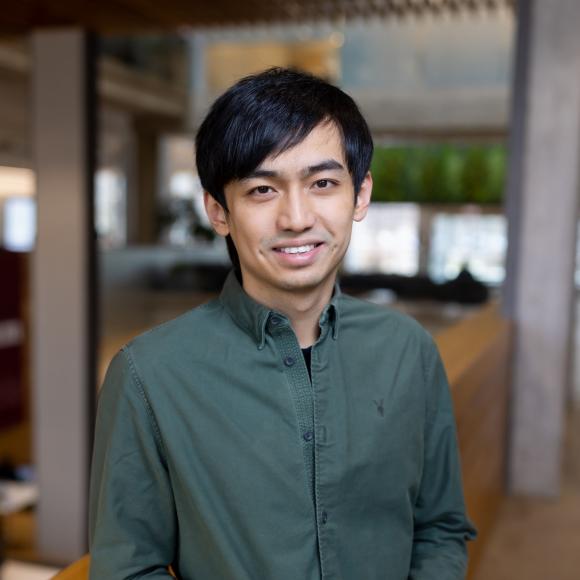
"I had some informal exposure to programming and computational statistics through independent research or projects with professors, but I wanted to take on more rigorous work in quantitative analysis. The DPSS coursework was engaging and provided me with a sense of fulfillment. Plus, I appreciated the asynchronous nature of the course and range of TA office hours, especially as I was on the west coast.”
VLADIMIR BEJDO, DPSS ’23
J.D. Candidate, Berkeley Law

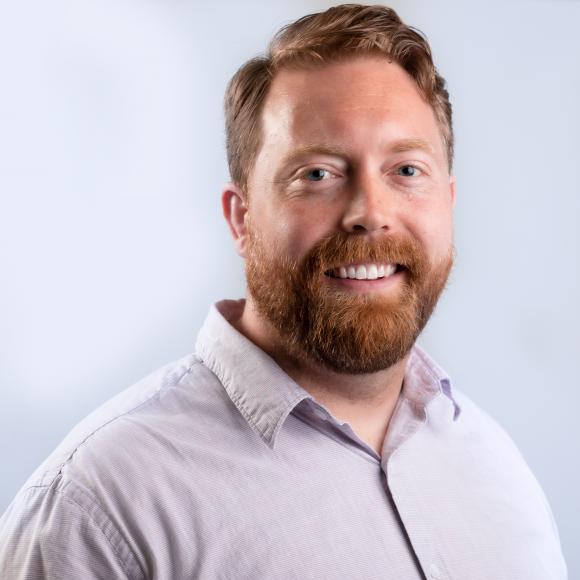
"I came into DPSS with a little bit of data experience and zero policy experience, and now I feel super confident in both skills. The policy side of DPSS reinforced that there is a human story behind data. While working on the capstone project about refugee displacement, I appreciated that the map visualizations I was learning—a super cool skill on its own—also represented a very difficult time in many people’s lives.”
ADILENE ESQUINCA, DPSS ’23
Business Intelligence Analyst, Wheel

"From the diversity of the career tracks and professions my classmates had, to the papers we wrote, to the guest speakers who discussed their careers, to the Policy Hackathon, it was an amazing experience.”
MAAJID BASHIR, PRIB ’24
Social Development Advisor
Foreign, Commonwealth, and Development Office, Pakistan

"My conversations with policy leaders increased my exposure to the possibilities of public policy. While I had a vision and a plan, I lacked a strategy on how to get there. PRIB provided me with knowledge, tools, and confidence needed to strategize.”
LESVIE ARCHER, PRIB’24
PhD Candidate and Policy Fellow, University of the Bahamas

"During the program, our instructor Benjamin Krause gave me a lot of new model ideas and ways to think about a problem. And, through conversations with my classmates about their own research, I saw ways their approaches might connect to ideas I’m exploring.”
IVÁN ZAMORANO, PRIB’24
PhD Candidate, Instituto Tecnologico Autonomo de Mexico (ITAM)

"Before PWC, I simply described technical insights in a technical nature. Now, I consider the intent of the folks I’m working with and translate the technical elements into a tangible larger picture. As a result, I’m more collaborative—and effective—in presenting and advocating policy suggestions to different audiences.”
ZOE BULTMAN, PWC’24
Public Policy Lead, Rivian Automotive

"I appreciated that [Program Director] David Chrisinger always brought in one of our topics to use as an example—he was clearly aware of what everybody was writing. And the group work is incomparable. It’s incredibly valuable to have all those eyes on your writing, and we all pushed each other to produce our best work.”
ALEX MUNRU, PWC’23
World History Teacher, Francis W. Parker School

"PWC opened my eyes to things I wasn’t thinking about before when dealing with policy. The program gave me the tools to feel more confident in my current position. I still use what I have learned from my background in academia, but I apply it to new frameworks. This benefits not only me, but also my current organization and future research in international politics and climate security.”
GABRIELA MANEA, PWC’22
Principal Program Manager
DCAF - Geneva Centre for Security Sector Governance