• Support Harris
    • Campaign for Harris Results
    • Harris Society
    • Ways to Give
  • Search
  • Log in
  • Directory
  • Hire Harris
    • Find Talent
    • Find Work
  • Info For
    • Prospective Students
    • Admitted Students (Full-Time)
    • New EMP Students
    • Current Students
    • Faculty and Staff
    • Alumni
    • Media
  • Support Harris
    • Campaign for Harris Results
    • Harris Society
    • Ways to Give
Harris
  • About
      • Who We Are
        • Our Principles
        • Harris By The Numbers
        • Career Outcomes Report
      • History
        • History of Harris
        • Legacy of Irving B. Harris
      • The Keller Center
        • The Future of Policy
        • Your Impact
        • Design & Sustainability
        • Press Room
        • Awards
      • Diversity & Inclusion
        • Our Commitment
        • Roadmap & Progress
        • D&I Community
        • Resources
        • New & Events
      • Leadership
        • Meet Our Dean
        • Dean's Office
        • Harris Council
        • Alumni Council
        • Diversity & Inclusion Advisory Board
      • Fall Updates
        • FAQ
        • Fall Program Details
  • Academics
      • Degrees
        • Master of Public Policy (MPP)
        • MS in Computational Analysis and Public Policy
        • MA in Public Policy with Certificate in Research Methods (MACRM)
        • Evening Master's Program (Part-time MA)
        • MA in Public Policy
        • MA in International Development and Policy
        • PhD
      • Faculty Directory
      • Non-Degree Programs
        • Credential Programs
        • Civic Leadership Academy
        • Masterclass Series
      • Undergraduate Program
      • Design Your Path
        • Courses
        • Core Curriculum
        • Practical Experience
        • Certificates
        • Policy Areas
        • Expert Guide
        • Degree Comparison
        • Workshops
        • Academic Calendar
        • University of Chicago Obama Foundation Scholars
  • Admissions
      • Why Public Policy?
      • Meet with Harris
        • Connect with Our Students
        • Schedule a Visit
        • Meet Our Staff
        • Diversity Day
      • Applying to Harris
        • UChicago College Graduating Class
        • International Students
        • FAQ
        • Admissions Resources
        • Harris Scholars Program
      • Financing Your Degree
        • Scholarships & Fellowships
        • Loans & Work-Study
        • Third-Party Funding
        • Tuition & Expenses
      • Requirements & Deadlines
      • Admissions Blog
  • Student Life
      • What to Expect
        • From Orientation to Graduation
        • Connect with Your Community
      • Dean of Students Office
        • Academic Advising
        • Academic Support Programs
        • Policies
        • Student Emergency Resources
        • Harris Writing Program
        • Meet the Team
      • The Harris Experience
        • Our Campus Community
        • City of Chicago
        • Academic Support Programs
        • Mentor Program
        • Student Organizations
        • Leadership Credential
      • Career Development
        • Considering Harris?
        • Current Student Resources
        • Alumni Career Support
        • Internships & Funding
        • International Students
        • Career Development FAQ
        • Meet the CDO Team
  • Research & Impact
      • Centers & Institutes
      • Faculty Impact
      • Urban Labs
      • Alumni Impact
      • Initiatives & Partnerships
        • National Partnerships
        • International Partnerships
  • News & Events
      • News
        • News
        • Profile
        • Research
        • In the News
        • Confronting COVID-19
      • 20ish Questions
      • Events
        • Academic Conferences
        • Admissions
        • Students
        • Special Events
        • Visiting Speakers
        • Past Events
      • Admissions Blog
      • Not Another Politics Podcast
  • About
    • Back
    • About
      • Who We Are
      • History
      • History of Harris
      • Legacy of Irving B. Harris
  • Academics
    • Back
    • Academics
      • Design Your Path
      • Faculty Directory
      • Programs & Degrees
      • Policy Areas
      • Undergraduate Program
  • Admissions
    • Back
    • Admissions
      • Why Public Policy?
      • Meet with Harris
      • Applying to Harris
      • Financing Your Degree
      • Requirements & Deadlines
      • Admissions Blog
  • Student Life
    • Back
    • Student Life
      • What to Expect
      • Student Affairs at Harris
      • The Harris Experience
      • Career Development
  • Research & Impact
    • Back
    • Research & Impact
      • Centers & Institutes
      • Faculty Impact
      • Urban Labs
      • Alumni Impact
      • Initiatives & Partnerships
  • News & Events
    • Back
    • News & Events
      • News
      • 20ish Questions
      • Events
      • Admissions Blog
      • Not Another Politics Podcast
  • Support Harris
    • Campaign for Harris Results
    • Harris Society
    • Ways to Give
  • Search
  • Log in
  • Directory
  • Hire Harris
    • Find Talent
    • Find Work
  • Info For
    • Prospective Students
    • Admitted Students (Full-Time)
    • New EMP Students
    • Current Students
    • Faculty and Staff
    • Alumni
    • Media
  • Support Harris
    • Campaign for Harris Results
    • Harris Society
    • Ways to Give
HOME > ACADEMICS > CREDENTIAL PROGRAMS > PERSUASIVE WRITING CREDENTIAL

Persuasive Writing Credential

Communicating with Confidence in the Age of AI
Apply Now
Request Info
Attend an Event
× Notification:  Discover the Persuasive Writing Credential: Communicating with Confidence in the Age of AI.
  • Overview
  • Curriculum
  • By the Numbers
  • Faculty
  • Student Experience
  • Program Fee & Payment
  • Admissions
  • Frequently Asked Questions
Apply Now

Overview

Generative AI is changing the way ideas take shape, making it faster to write, refine, and share drafts. But in this new landscape, your ability to deliver clear, credible, and persuasive human-centered communication matters more than ever.

The Persuasive Writing Credential Program: Communicating with Confidence in the Age of AI is a seven-week, practice-based program that shows you how to make AI work for you. You’ll learn to collaborate with tools like ChatGPT to amplify your voice, not replace it, and to use AI ethically and effectively as you blend evidence, story, and strategy to create writing that informs, inspires, and drives action.

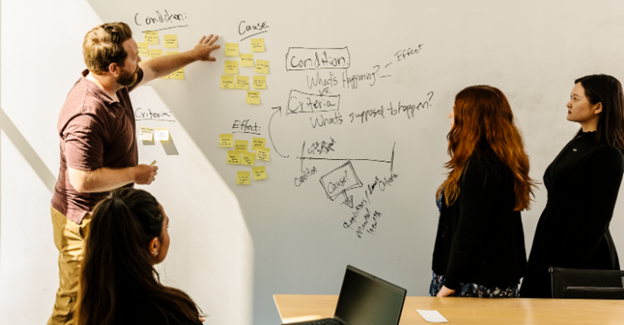
Each week, you’ll learn and apply tools, frameworks, and strategies to make your writing more persuasive to the audience that matters most to you. You’ll also engage in interactive lectures, case-based discussions, and hands-on writing assignments. Moreover, you’ll receive personalized feedback and ample time to revise, experiment, and grow.

This credential program is perfect for anyone who wants to thrive as a communicator in an AI-driven world—whether you’re a student or an educator, a nonprofit leader or journalist, or even if you’re simply an engaged citizen. By the end, you’ll walk away with a portfolio of polished writing and the confidence to reach any audience, on any platform.

Features

  • No prior experience in professional writing or editing required
  • 100% online with interactive, synchronous lectures
  • Capstone writing project and deliverable
  • Shareable certification of completion to showcase your skills
David Presenting
Subjects

Persuasive Writing, Policy Writing, Leveraging AI Communication Tools

Level

All levels welcome with adaptable content and customized feedback

Duration

Seven (7) weeks, approximately

7-10 hours per week

Dates

July 6 - August 21, 2026

Cost

$2,800 with various discount types

Format

100% Online with synchronous teaching

Picture1-Oct-10-2025-01-43-23-5499-PM
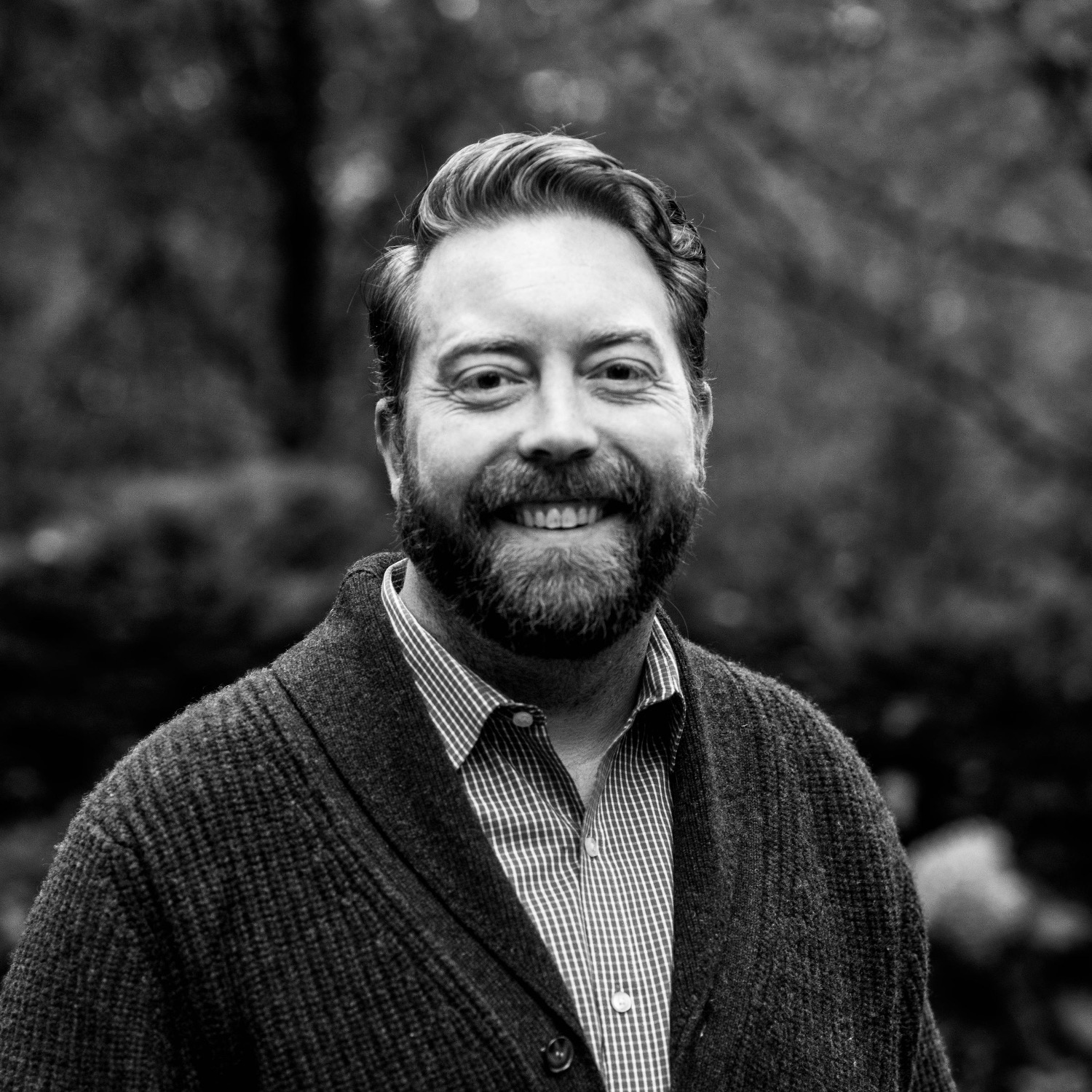
David Chrisinger

David Chrisinger is the Executive Director of the Harris Writing Workshop and Faculty Lead of the Persuasive Writing Credential program.

Read David's full bio

Curriculum

What You Will Learn

Over seven weeks, you’ll explore how to pair timeless principles of persuasion with the new possibilities of AI:

  • Audience, Purpose, Position – Frame your message for maximum impact.
  • AI as Writing Partner – Prompt smartly, revise critically, and refine responsibly.
  • Policy & Public Writing Genres – Memos, briefs, op-eds, narratives, and briefings.
  • Evidence & Storytelling – Balance data with compelling narrative.
  • Ethics & Transparency – Navigate bias, disclosure, and professional standards.
  • Style & Clarity – Write sharper sentences, stronger paragraphs, and tighter arguments.

Your Writing Portfolio

By the end of the PWC program, you’ll have a polished portfolio of AI-assisted writing that demonstrates your ability to communicate with confidence across genres and audiences. Each assignment is designed to build your versatility as a policy communicator and comes with personalized feedback and revision time, ensuring you leave with work ready for publication, career use, or further study.

Assignments may include:

  • Reader Profile – Analyze and understand a real decision maker or audience.
  • Policy Memo or Brief – Deliver clear, evidence-based recommendations to busy policymakers.
  • Op-Ed or Narrative – Use story and structure to show why action matters
  • AI Reflection & Prompt Library – Document your ethical approach and best practices for collaborating with AI.

Recent publications by PWC graduates include:

  • “Reallocating Funds to Education: A Better Chance for Youth” – Chicago Policy Review
  • “Venezuela’s Shameful Secret” – Chicago Policy Review
  • “Trump Tax Law Erases Economic, Racial Progress in the Tax Code” – Bloomberg Tax
  • “Risk Assessment Instruments as a Part of Bail Reform: Do They Help or Hurt?” – Chicago Policy Review
  • “Is Artificial Intelligence Revolutionizing Climate Change Education?” – First Monday

Graduates have also published in Frontiers in Virtual Reality, New Labor Forum, Environmental Communication, and The War Horse applying their PWC skills to shape conversations in fields ranging from technology ethics to climate policy.

What You’ll Walk Away With

Undergraduate and graduate students will build the skills to:

  • Collaborate effectively with AI while maintaining their own voice and judgment.
  • Write persuasively for different audiences, purposes, and formats—skills that stand out in graduate applications and professional settings.
  • Use both data and story to strengthen arguments and communicate evidence with confidence.

Working professionals can expect to:

  • Navigate the ethics and opportunities of AI in real-world communication.
  • Produce clear, persuasive writing for policy, business, and civic audiences.
  • Build a professional portfolio of polished, real-world writing samples that showcase their expertise.

Alumni Voices 

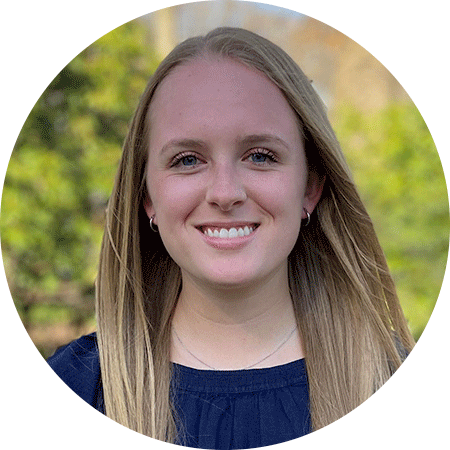
“The biggest strength of the Persuasive Writing Credential was its approach—taking data-driven solutions and presenting them in a way that could affect policy. It was about taking numbers with no personality and making them accessible to people’s sensibilities. PWC helped solidify my interest in public policy." 
Carly

Carly Domicolo

Program Analyst, U.S. Bureau of Labor Statistics

"PWC has completely transformed the way I approach persuasion in writing, particularly its focus on moral foundations as an argument framework. It's sharpened how I structure claims, evidence, and counterarguments and given me the confidence to pursue publishing opportunities as I was hoping for when I enrolled in the class.”

Picture1-Oct-09-2025-04-48-02-6804-PM

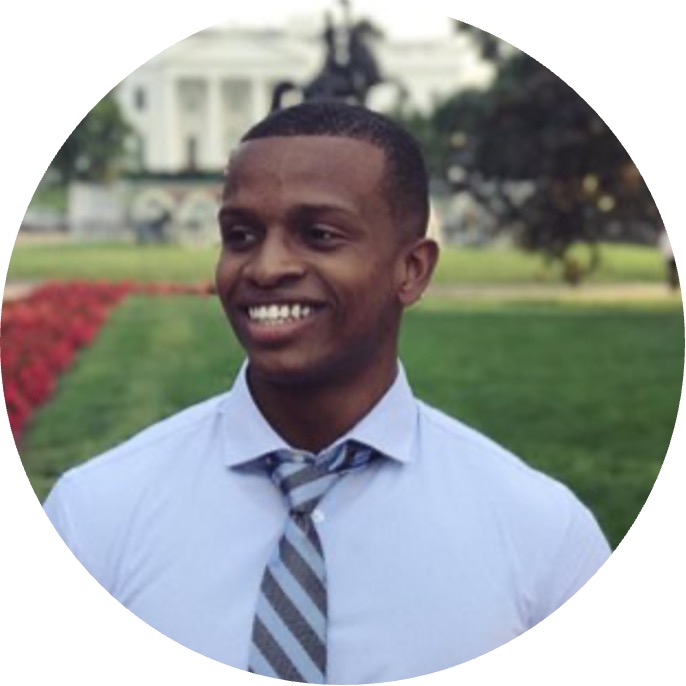
Dontae Bell

Captain, U.S. Air Force

“I’ll be using a policy brief I wrote as part of my PWC work for graduate school admissions. And because I pursued both of these credentials, the effect is two-pronged: not only can I analyze and understand data, but I can write effectively about these issues as well. The flexibility of these programs made it possible to study while working full time.” 

Picture1-Oct-10-2025-02-59-46-7218-PM

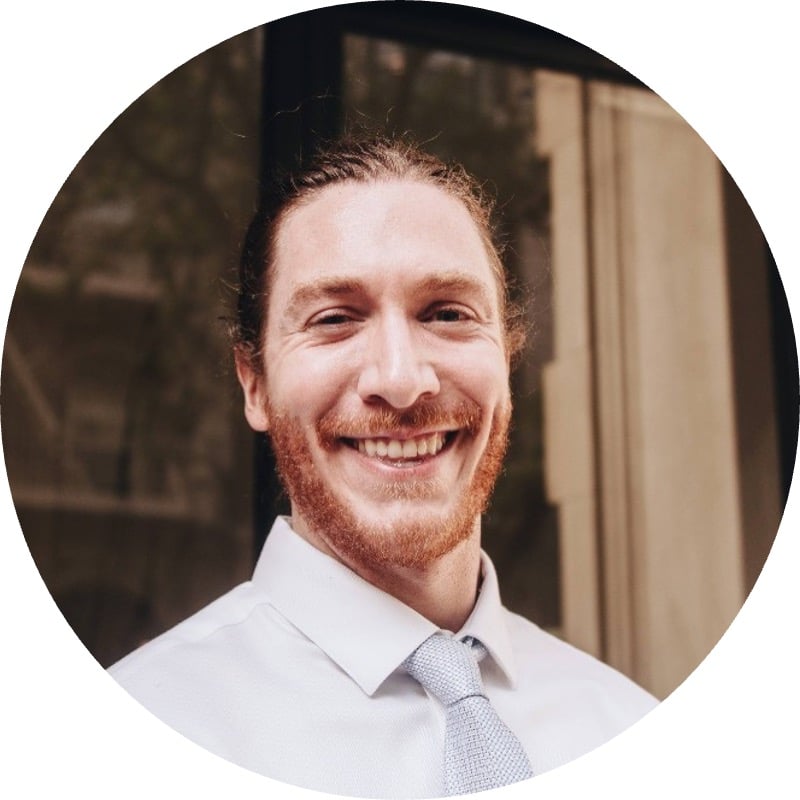
Frederick Lee

Cybersecurity Consultant

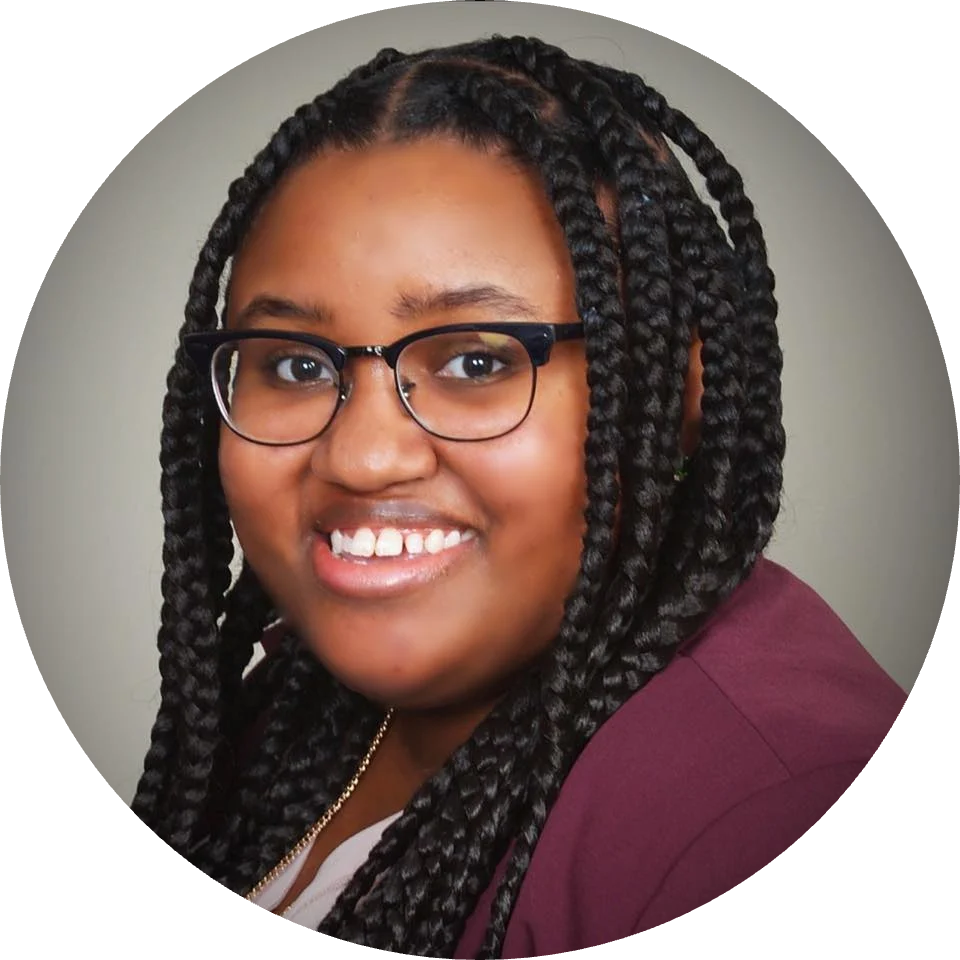
"The writing tools we learned stay with you and now I have something tangible to use in perpetuity for anything I’m writing about. At almost any point in a project I use a PWC tool, and that has helped me organize my thoughts and present my ideas better."
Picture1-Oct-09-2025-05-02-34-8262-PM

Brakeyshia Samms

Senior Analyst, Institute on Taxation and Economic Policy

“I so appreciate what I've gained from this program, including the importance of narrative and ways they can be structured, positionality as a basis for persuasion, ways to align arguments with moral foundations, and the need to bear in mind ‘the curse of knowledge.’”

Picture1-Oct-09-2025-04-53-59-6470-PM

Lucas Held

Director of Communications, Wallace Foundation

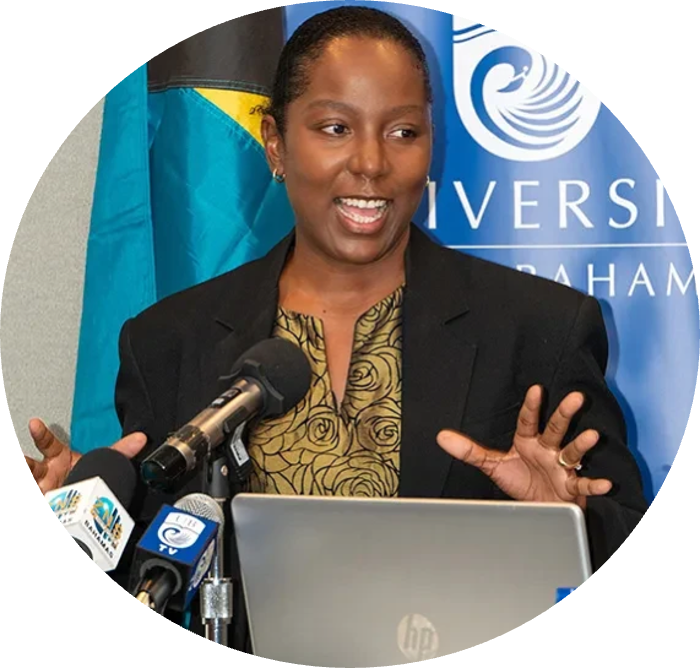
"Writing is a critical component to my work as a policy fellow. Since completing PWC, I’ve definitely seen an impact. My writing quality and quantity has improved. I’ve been able to use the skills I’ve gained from the PWC immediately—and on a daily basis."
Picture1-Oct-09-2025-05-12-46-4436-PM

Lesvie Archer

Policy Fellow, University of the Bahamas
Sample-Syllabus-PWC

2026 PWC Sample Syllabus

Download the Syllabus

Academic & Professional Outcomes

Harris Credential Programs help participants build momentum toward their academic and professional goals. Through rigorous coursework, applied skill-building, and a global peer network, alumni leave prepared to strengthen their qualifications, expand their opportunities, and take confident next steps.

Our credential alumni have gone on to pursue graduate study in fields such as data science, business, economics, law, mathematics, political science, public policy, and the social sciences. Others have advanced professionally across sectors including policy, technology, consulting, finance, and research, taking on roles such as data analysts, financial analysts, management consultants, software engineers, research assistants, and congressional interns.

2500
+

Credential program alumni worldwide

69
%+

Pursued further education

53
%+

Changed employers

These outcomes reflect the impact of Harris Credential Programs in helping participants clarify their goals, strengthen their profiles, and accelerate progress in both graduate study and career development. Based on LinkedIn data from 134 credential alumni from 2018–2021, many participants used the experience to continue their education, move into new organizations, and build momentum toward long-term career growth.

Here are some example organizations: 

pwc

50%

Unicef

50%

World-Bank

50%

fidelity

50%

mckinsey

50%

Snohomish-County

50%

cps

50%

iom

50%

deloitte

50%

invest-india

50%

gm4md

50%

aiib

50%

PWC by the Numbers

Learn more about the Persuasive Writing Credential participant cohorts:

180
+

PWC Alums Worldwide

12

Countries Represented

33

Average Age of Cohort

98
%

Program Satisfaction Rate

Meet Your Faculty

 
David Chrisinger

David Chrisinger is the Executive Director of the Harris Writing Workshop and author of Public Policy Writing That Matters and Stories Are What Save Us. With nearly two decades of teaching experience, he has trained policymakers, advocates, and professionals to write with clarity, confidence, and purpose. His work includes writing for the U.S. Congress, training government analysts, and now helping communicators at all levels harness AI responsibly to make their messages matter.

Picture1-Oct-10-2025-01-45-40-8608-PM

Faculty Profile

David Chrisinger

“The most important reason to do a persuasive writing credential here at the Harris School is because it'll give you the tools that you need to be successful, regardless of what situation you find yourself in. Whether you're applying for graduate school, you're trying to pivot in your career, or you want to make an impact in public policy.”

Read David Chrisinger's Profile

Participant Experience


Icons_Yellow-Calendar
Time Commitment

You can anticipate a commitment of approximately 7-10 hours per week. This weekly estimate is based on three hours of live lecture, two hours for assignments, and three hours of live office hours with faculty, teaching assistants and peer group review.

Icons_Yellow-Website
Virtual Format

The lectures are 100% virtual with synchronous, interactive sessions conducted via Zoom. You can expect active engagement with faculty and peers each session. The virtual program allows you to engage with the class from anywhere with a stable internet connection. 

Icons_Yellow-Speech
Synchronous Lecture Hours

The lecture hours for the 2026 Persuasive Writing Credential will be on Mondays and Wednesdays from 7:30–9:00 p.m. Central Daylight Time (UTC-5).

Documenting your PWC Achievement

Harris Credential Award

Participants will receive a Certification of Completion, issued electronically, upon successful completion of the credential program. The Certification of Completion will include the grade earned. The certification can be shared in future job applications, graduate school applications, or on professional platforms such as LinkedIn.

Harris Credential Alumni LinkedIn Group

Upon program completion, you'll receive an invitation to join the private UChicago Harris Credential Alumni LinkedIn group. This provides a platform for ongoing connection with your cohort and the wider Harris Credential community, where you can stay updated on news and receive our quarterly alumni newsletter.

Program Fee & Payment

The program fee is $2,800. We are excited to offer partial discounts to early action applicants, University of Chicago community members, or group-registered applicants. In addition, we encourage applicants to explore funding sources from your academic institution, employer, or external scholarships.

Audience

Program Fee

General Applicant

$2,800

Early Action Applicant

$2,500

Current UChicago students, staff or alumni

$2,000

Organizational Sponsorship for 3+ Applicants

Contact us at harriscredential@uchicago.edu to discuss group rates

If enrolling in two or more credential programs during the same cycle

Receive an additional 20% discount on the program fees (after the initial discounts and scholarships)

Once being admitted, participants will secure the seat by submitting a $1,000 USD enrollment deposit, which is non-refundable and applies toward your total program fee. The remaining program fee balance will be paid before the program starts. Detailed payment instructions will be provided to admitted participants via email.

The application for admission to the Persuasive Writing Credential will include a supplemental essay prompt for candidates who wish to be considered for the Community Impact Scholarship. Essays will be evaluated by the Harris Credential Programs admissions committee. Applicants who are admitted and demonstrate eligibility for the Community Impact Scholarship will receive the $800 award, which will be granted at the time of admission.

Check out our blog post for financial planning tips.

Admissions

Open to undergraduate and graduate students, recent grads, and professionals worldwide, our program caters to learners of all levels. No prerequisites are necessary, making it accessible to individuals from diverse academic backgrounds. To enroll, you should be at least 18 years old and have completed one year of full-time undergraduate study. A stable internet connection and English proficiency are essential for success in this program.  We welcome applicants across all walks of life including undergraduates, graduates, recent grads, and professionals worldwide to join our program. The online application is free and convenient to complete.

Eligibility

  • Minimum age: 18
  • Completion of one year of undergraduate study
  • No specific major or writing experience required
  • English language proficiency expected

How to Apply

  • Start your online application today. You can start, save, close, and return to the application prior to submission.
    • Select “2026” - “2026 Cred” - “Non-Degree” - “Persuasive Writing Credential.”
  • Motivation statement (300-word limit) describing why you want to join the program and how it will benefit your future development.
  • Resume (1-2 pages recommended).
  • Unofficial Academic Transcripts -
    • Must include your full name and institution/university name. Transcripts must include the course names, dates (term and year), grades and grading scales for each year of post-secondary education (college or university).
    • Provide a transcript for each degree conferred (undergraduate and graduate).
    • Unofficial transcripts are accepted. Please upload a PDF copy.
    • English translation must be submitted for all foreign language transcripts.
  • English language proficiency proof for some international applicants.
    See detailed requirements.
  • Optional: Supplemental essay for Community Impact Scholarship consideration.


Application Deadline


Application Deadline

Notification

Reply Deadline

Early Action

December 2, 2025

Mid-December

December 30, 2025

Round 1

January 20, 2026

Early February

February 17, 2026

Round 2

March 10, 2026

Late March

April 14, 2026

Round 3

April 21, 2026

Mid-May

May 19, 2026

Round 4

May 19, 2026

Late May

June 2, 2026


Refund and Cancellation Policy

If the participant decides to cancel their Program enrollment, the participant must submit a request in writing at least 30 days prior to the program start date to harriscredential@uchicago.edu to receive the paid amount less the non-refundable enrollment deposit. Requests received 14 to 30 days before the Program start date are subject to a payment of 50% of the Program fee. Requests received within 14 days of the Program start date are subject to full payment of the Program fee. If the participant is unable to join the Program due to circumstances that the participant has no control or influence over, the refund amount will be considered on an individual case-by-case basis. 

Frequently Asked Questions

Curious about whether the Persuasive Writing Credential program is right for you? Below are answers to common questions about the program, its participants, and what you can expect to gain.

How is the PWC program different from other writing or communication courses?

The PWC program stands apart because it blends timeless principles of persuasive writing with cutting-edge tools for communicating in the age of AI. Participants learn and practice skills that are becoming essential in every field, including how to collaborate ethically and effectively with AI to elevate our own reasoning, clarity, and impact.

Who is the ideal candidate for the PWC program?

The PWC program is designed for learners who want to strengthen their ability to communicate clearly and persuasively about real-world issues—whether in public policy, business, or nonprofit work. Alumni have included undergraduates preparing for graduate study, MPP students looking to sharpen their writing for data-driven policy roles, and professionals from organizations such as the World Bank, the Brookings Institution, and local government agencies.

Graduates use their PWC training to write grant proposals, policy memos, and thought leadership pieces that inform and translate evidence into insights decision makers can use. For example, one recent alum helped secure funding for a harm-reduction facility in Wisconsin using persuasive strategies learned in the program, while another published an op-ed on racial equity in tax reform that drew on techniques from their PWC coursework.

Is it possible to complete the PWC program while juggling a full-time job, internship, or academic courses?

Yes. The program is designed with flexibility in mind. Each week’s sessions are delivered live on Zoom, but they are also recorded, so it’s possible to get caught up if you happen to miss a class or two.

Since the beginning of the PWC program, participants regularly balance coursework with professional and academic commitments. One advantage of enrolling in this program while you’re working or studying full-time, we’ve been told by past participants, is that you’ll be able to deepen your learning experience by being able to apply the program’s lessons immediately to their current projects.

Does the PWC program help participants in preparing for publication?

Absolutely! The final module of the PWC program guides participants through the process of preparing a piece of writing for public audiences—such as an op-ed, blog post, short essay, or academic paper. Graduates have published in outlets including the Chicago Policy Review, Bloomberg Tax, First Monday, Frontiers in Virtual Reality, New Labor Forum, Environmental Communication, and The War Horse, among other outlets.

Does the PWC program provide scholarships or financial assistance?

Applicants who apply by the Early Action deadline receive a $500 discount on the program fee. Eligible applicants may also apply to the Harris Credential Community Impact Scholarship.

For employer partners or workplace groups interested in a group discount, please contact us at harriscredential@uchicago.edu for further details.

For more financial tips, please read our blog post, Financial Planning for Credential Programs.

  • Prospective Students
    • How to Apply
    • Why Public Policy
    • Programs & Degrees
    • Financial Aid
    • Events
  • Current Students
    • Academic Advising & Support
    • Financial Aid for Students
    • Courses
    • Course Evaluations
    • Find a Job or Internship
  • Faculty & Staff
    • Room Reservations
    • Academic Calendar
    • Faculty Resources
    • Faculty Access
    • Human Resources
  • Alumni
    • News and Events
    • Alumni Directory
    • Get Involved
    • Donate Now
The University of Chicago

Connect with Us

  • Facebook
  • Twitter
  • LinkedIn
  • Youtube

Get Updates

Contact Us
  • The University of Chicago
  • Apply
  • Careers at Harris
  • Courses
  • Directions
  • Privacy Notice